Ice, little and often
An ice pack for 10 minutes every 1 to 2 hours. It eases the pain and the swelling.

 Reviewed by Ellie Brandt, Principal physiotherapist, September 2026
A sprained ankle is a stretch or tear in the ligaments that hold your ankle together. It's common, especially in sport, and most heal in 4 to 6 weeks.
We'll check whether it needs an X-ray first, get you moving early, and build the strength and balance that lower the chance of another.
Also called a rolled or twisted ankle. Includes ankles that keep rolling (chronic ankle instability).
Usually
Your foot points down and twists in, and the outside ligaments tear.
Most sprains happen when your foot points down and twists in. The ligaments on the outside of the ankle take the strain, and stretch or tear. It's more likely if you play sport, if you've sprained that ankle before, or if your shoes don't suit what you're doing.
Sometimes
A sprain that didn't heal well leaves the ankle weak and giving way.
If a sprain doesn't recover properly, the ankle can stay unstable. It feels weak, or keeps giving out. That's called chronic ankle instability, and it's common in people who play sport.
Rarely
What feels like a sprain can be a fracture. An X-ray rules it out.
What feels like a sprain can turn out to be a fracture. An X-ray can rule out a broken bone. The next section lists the signs that mean a doctor first.
For the first couple of days, the job is to protect it and settle the swelling. You can still walk on it, as normally as you can.
After that, long rest isn't the plan.

How it moves, how much weight it takes, and your balance on each side.
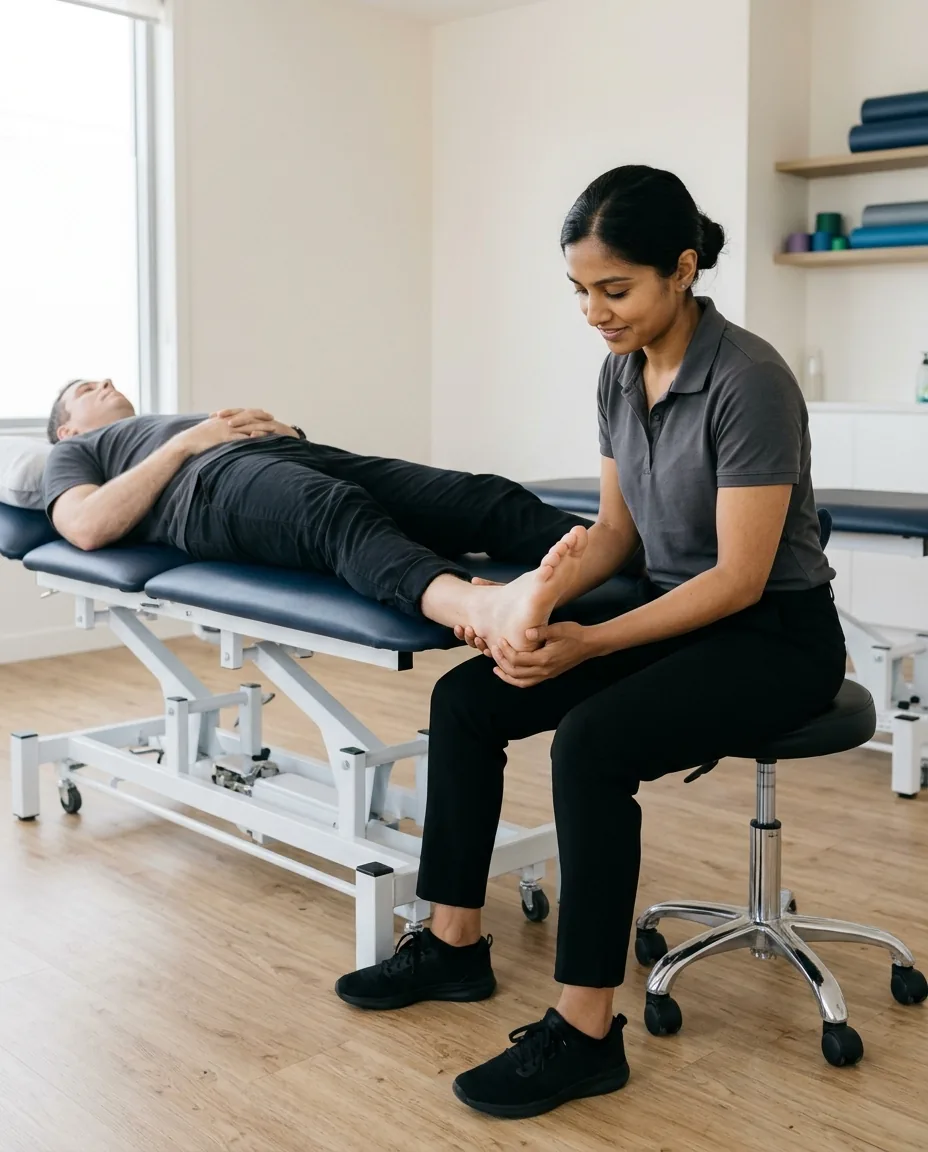
The signs that mean an X-ray first. Then we explain what we think is going on, and how bad the sprain is.
There's strong evidence for exercise after an ankle sprain, both to treat it and to lower the chance of another.
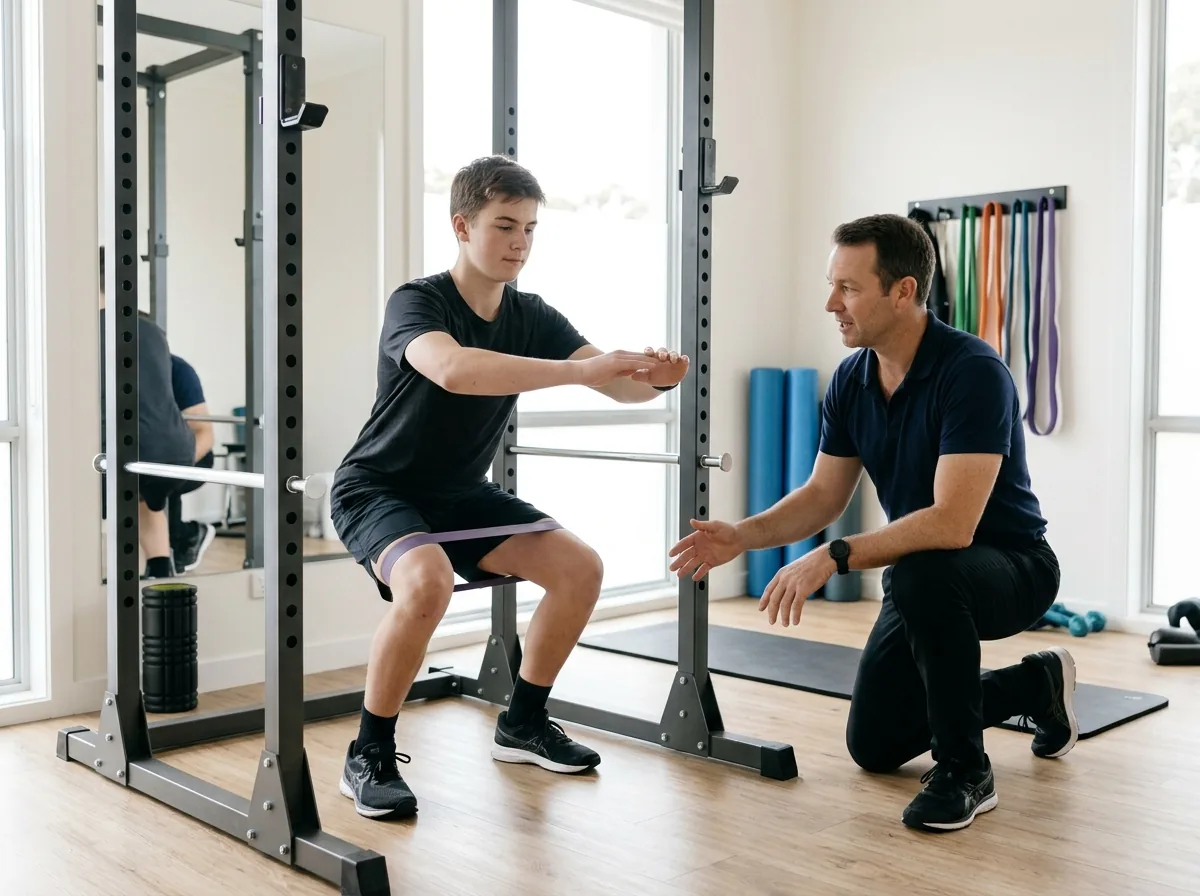
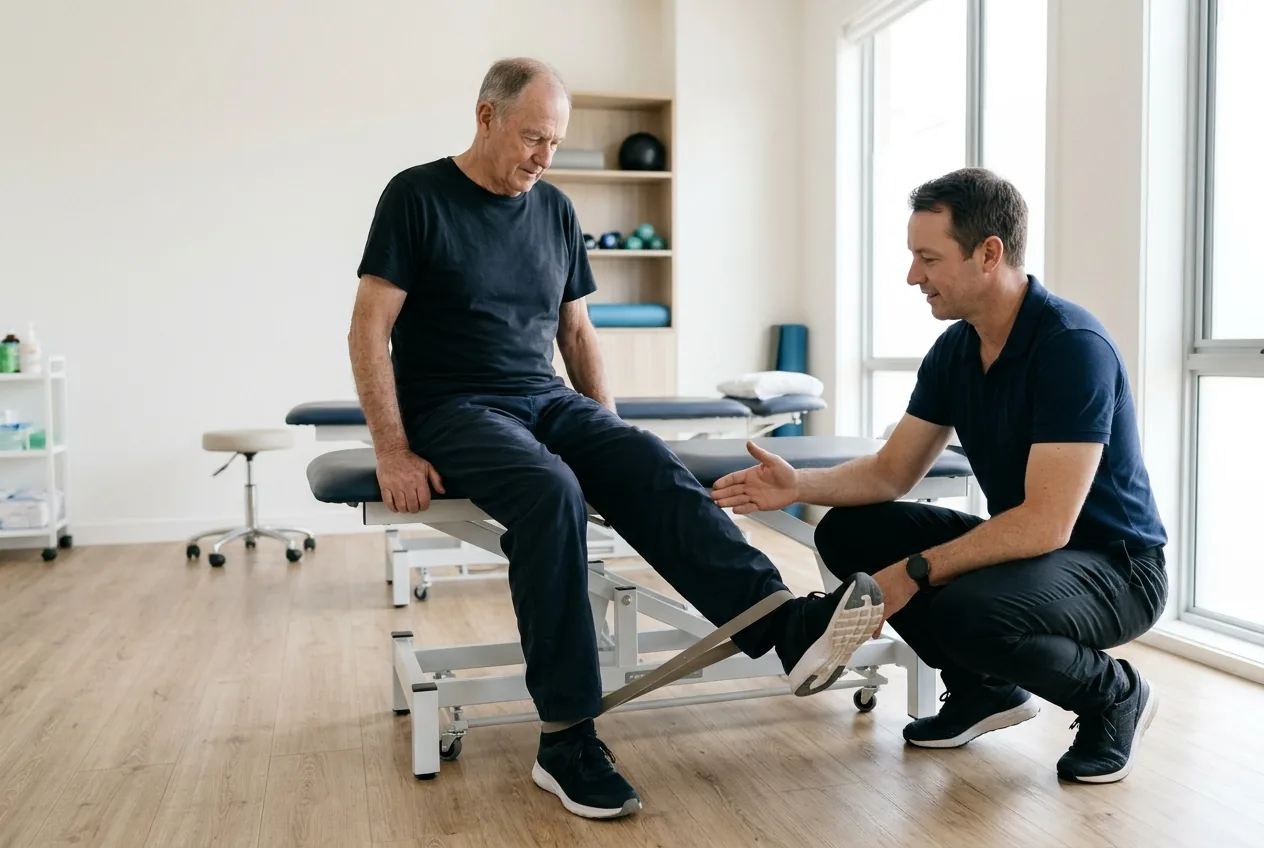
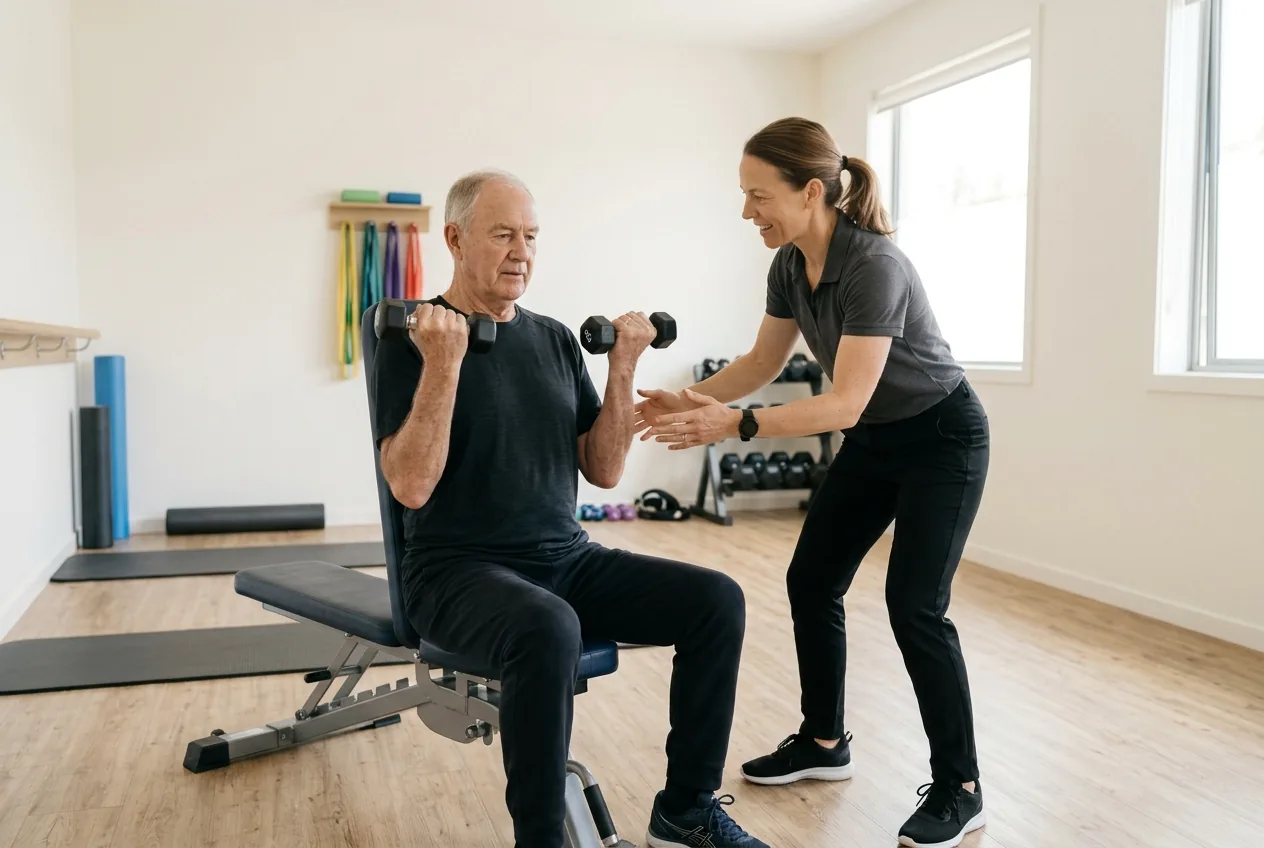
You get a program: strength around the ankle, range of movement, and balance work. You'll have it written down or in an app, with what each one's for.
The later exercises look like your sport.
For netball, that means jumping and landing. Sport comes back when everyday movements no longer hurt. We'll also talk about tape or a brace for going back.
Rehab that stopped too early is one of the things that can leave an ankle prone to rolling.
We test strength and balance and explain what we find. If it still gives out after thorough rehab, surgery is sometimes an option, and we'd refer you to your GP.
Source: healthdirect, "Sprained ankle", last reviewed November 2024; Better Health Channel, "Ankle sprains", reviewed September 2014; healthdirect, "Deep vein thrombosis", last reviewed May 2025
See a doctor straight away if you can't put any weight on your foot, can't take 4 steps, or your ankle looks deformed. You may need an X-ray to check for a broken bone.
See a doctor straight away if your calf is sore, red or swollen. It can be a sign of a blood clot (DVT). Call 000 if you also have chest pain or trouble breathing.
See your GP if you've been looking after your sprain and the pain, swelling or stiffness isn't getting better, or is getting worse.
For the first two days after a sprain, healthdirect's advice is:
An ice pack for 10 minutes every 1 to 2 hours. It eases the pain and the swelling.
A compression bandage to limit the swelling, and your ankle up, for as long and as often as you need.
Gentle movement and walking on it are fine. If you can't put weight on it comfortably, ask your doctor or physio about crutches.
For the first couple of days the advice is no heat, no alcohol, no running or anything like it, and no massage.
If you're not walking normally after a few days, or it's a bad one, or it keeps rolling, that's what an assessment is for. No GP referral needed for private physio. If you can't put weight on it at all, see a doctor first.
About 45 minutes, one-on-one the whole time.
How it rolled, and whether it's happened before. What you play, and when you want to be back. Bring the shoes you play or train in, and any tape or brace you've used.
The signs that mean an X-ray first. How the ankle moves, how much weight it takes, and where it hurts to press.
Strength and balance on both sides.
We'll explain each test, and ask before we touch.
What we think is going on, and how bad the sprain is.
If you need an X-ray or a GP first, we'll say so.
You leave knowing what to do this week, with your program written down or in an app.
We'll tell you roughly how many visits we expect, and why. If that changes, we'll tell you.
No packages to buy. You book one visit at a time.
MACP, APA Titled Sports and Exercise Physiotherapist
Mon–Thu“I played netball for fifteen years, so I know how much getting back on court matters.”
Knee painACL injurySprained ankle
Book with EllieNot every sprain. Most settle with good care in the first few days. Come in if you're not walking normally after a few days, if it's a bad one, if it keeps rolling, or if you want to get back to sport properly. There's no set time to start: the earlier we see it, the earlier the plan starts.
Not always an X-ray. We'll check the signs first. If you can't put weight on it, can't take 4 steps, or it looks deformed, you need a doctor first, and you may need an X-ray. An X-ray shows a broken bone; it doesn't show a ligament.
Most take 4 to 6 weeks. The worse the sprain, the longer it takes, and some people still feel it up to a year later. We'll give you our own estimate at your first visit. If that changes, we'll tell you.
Tape or a brace can lower the chance of another sprain, especially if you've recently sprained it, and depending on how bad the sprain is you may need a brace for 4 to 6 weeks. It goes alongside the exercises, not instead of them. We'll tell you when it's worth it.
Swimming and gentle movement are usually fine once the first couple of days are over. Running and sport wait until everyday movements no longer hurt. Driving: only if you can control the car safely, and never in a boot on your driving foot. If in doubt, ask your GP.
Rehab that stopped too early is one of the things that can leave an ankle prone to rolling. We'll test your strength and balance and explain what we find. If it still gives out after thorough rehab, surgery is sometimes an option. If that's you, we'll refer you to your GP.
Pick a time online, or call and we'll help you choose the right appointment.